
Farmyard Manure: A Natural and Sustainable Fertilizer

Hello Hivers 👍
Talk about natural manure, ....
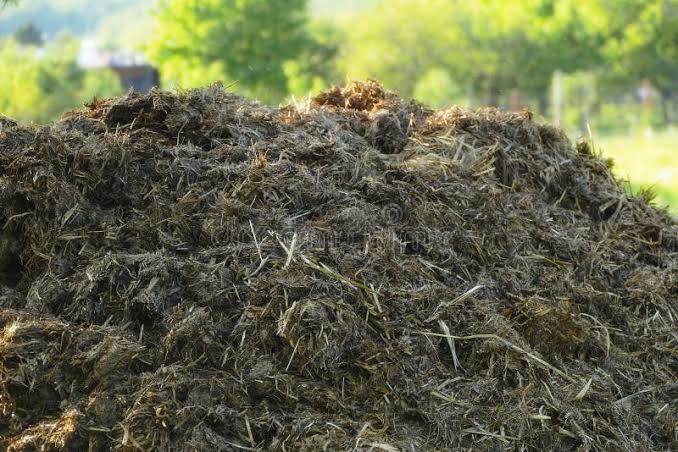
Farmyard manure (FYM) is an essential organic fertilizer derived from the decomposition of animal waste, bedding materials, and other organic matter found on farms. It has been used for centuries to improve soil fertility, enhance crop yield, and maintain sustainable agricultural practices. In modern farming, despite the availability of chemical fertilizers, FYM remains a crucial component of organic and sustainable agriculture due to its ability to improve soil structure, provide essential nutrients, and enhance microbial activity.
Composition and Formation
Farmyard manure is a mixture of livestock excreta (dung and urine), straw, and other bedding materials. The composition of FYM varies depending on the type of livestock, their diet, and the management practices on the farm. The primary nutrients found in FYM include nitrogen (N), phosphorus (P), and potassium (K), along with essential micronutrients like calcium, magnesium, and sulfur.
The decomposition of FYM occurs through microbial activity, where bacteria, fungi, and other microorganisms break down organic matter into simpler, more plant-accessible forms. Proper decomposition ensures that the manure becomes rich in humus, a stable organic material that enhances soil fertility.
Benefits of Farmyard Manure
- Improves Soil Structure
FYM enhances the physical properties of soil by increasing its porosity and water-holding capacity. This helps in preventing soil erosion, reducing compaction, and improving aeration.
- Enhances Soil Fertility
The slow release of nutrients from decomposed FYM ensures a steady supply of essential minerals to crops over an extended period, reducing the need for frequent fertilizer applications.
- Boosts Microbial Activity
FYM provides a rich source of organic material that supports beneficial soil microbes. These microorganisms play a critical role in nutrient cycling, decomposition of organic matter, and suppression of soil-borne diseases.
- Increases Water Retention
The organic matter in FYM improves the soil’s ability to retain moisture, making it particularly useful in drought-prone areas. This reduces the need for frequent irrigation and ensures better water utilization by plants.
- Environmentally Friendly
Unlike synthetic fertilizers, FYM does not contribute to soil degradation or water pollution. It is a sustainable option that minimizes the harmful environmental impact of chemical fertilizers.
- Cost-Effective
Farmers who rear livestock can produce FYM at little to no extra cost, reducing their dependence on expensive chemical fertilizers and improving farm profitability.
Preparation and Application
To maximize the benefits of FYM, it must be properly prepared and stored. Fresh manure should not be directly applied to fields as it may contain harmful pathogens and release excessive ammonia, which can damage crops. Instead, FYM should be composted by allowing it to decompose in pits or heaps for several months. Turning the compost periodically aerates the material, speeding up decomposition and improving nutrient content.
When applying FYM, it is best to incorporate it into the soil before planting to allow for proper nutrient absorption. The recommended application rate varies depending on soil type, crop requirements, and climatic conditions.
Conclusion
Farmyard manure is a vital component of sustainable agriculture, offering numerous benefits for soil health, crop productivity, and environmental conservation. Its proper management and application can significantly enhance soil fertility, reduce reliance on chemical fertilizers, and promote eco-friendly farming practices. By incorporating FYM into agricultural systems, farmers can ensure long-term productivity and sustainability while reducing costs and environmental impact.

@tipu curate
Upvoted 👌 (Mana: 36/46) Liquid rewards.