
Elephant Grass Pastures: A Sustainable Forage Solution for Livestock

Hello Hivers,
Elephant grass (Pennisetum purpureum), also known as Napier grass, is a highly productive and nutritious forage crop commonly used for livestock grazing and fodder. Native to Africa, it has gained global recognition due to its rapid growth, high biomass yield, and adaptability to diverse climatic conditions.
In this blog, we will explore the benefits, establishment, management, and sustainability of elephant grass pastures, making a case for why farmers should consider this incredible forage solution.
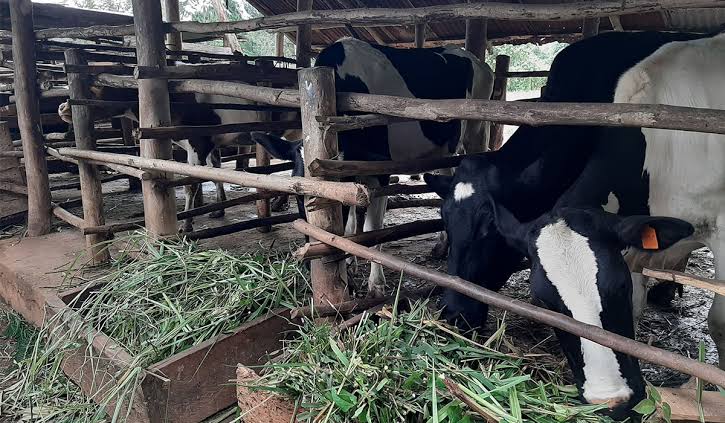
Why Choose Elephant Grass for Pastures?
Elephant grass stands out as an excellent choice for pasture development due to its:
- High Yield and Fast Growth
One of the primary reasons farmers choose elephant grass is its ability to grow quickly and produce large amounts of biomass. Under optimal conditions, it can reach heights of 2–5 meters within a few months, allowing for multiple harvests per year.
- Nutrient-Rich Forage
Elephant grass provides a well-balanced nutritional profile, making it an excellent feed option for cattle, sheep, goats, and even poultry. It contains:
Protein: 8–18% (depending on maturity)
Fiber: Moderate levels, supporting digestion
Energy: Good digestibility, especially when cut young
- Adaptability to Different Climates
This grass thrives in tropical and subtropical climates but can also tolerate drought conditions when properly managed. It grows best in well-drained soils with adequate moisture but is resilient enough to survive short dry periods.
- Soil Conservation and Environmental Benefits
Elephant grass plays a key role in preventing soil erosion. Its deep root system binds the soil, reducing runoff and improving water retention. Additionally, it absorbs significant amounts of carbon dioxide, contributing to climate change mitigation.
How to Establish an Elephant Grass Pasture
- Land Preparation
Choose a well-drained field with moderate to high fertility.
Plow and harrow the land to ensure a fine, loose seedbed.
Apply organic matter or fertilizers to boost soil nutrients.
- Propagation Methods
Elephant grass is mainly propagated through stem cuttings, although seeds can also be used. For vegetative propagation:
Cut mature stems into 20–30 cm pieces with at least 2–3 nodes.
Plant them in rows, burying two-thirds of the stem in moist soil.
Maintain a spacing of about 50 cm within rows and 1 meter between rows to allow proper growth and access.
- Fertilization and Irrigation
Apply nitrogen-rich fertilizers or manure to enhance growth.
Water regularly, especially during dry seasons.
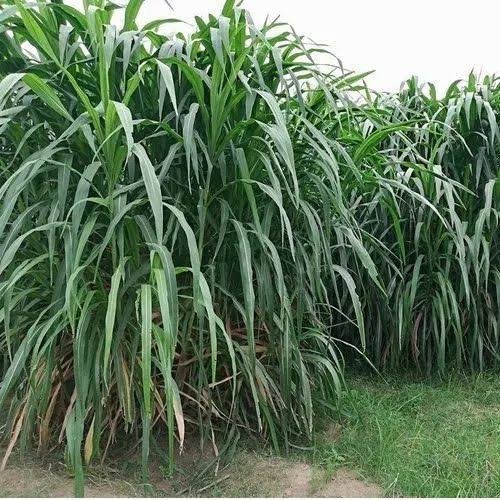
Managing an Elephant Grass Pasture
- Harvesting and Grazing Management
The ideal cutting height for maximum nutritional value is 1–1.5 meters.
If used for direct grazing, rotational grazing is recommended to prevent overgrazing.
If cut for fodder, frequent harvesting (every 6–8 weeks) ensures continuous regrowth and higher quality feed.
- Pest and Disease Control
While relatively resistant, elephant grass can be affected by pests like stem borers and diseases such as rust. Regular monitoring and proper spacing can minimize risks.
- Weed Control
Weeds can compete with elephant grass for nutrients and moisture. Hand-weeding or selective herbicides can help keep the pasture clean.
Sustainability and Future Potential
Elephant grass is more than just a high-yield forage—it’s a sustainable solution for livestock farming. By integrating it into silvopastoral systems, farmers can enhance biodiversity, improve soil health, and reduce dependency on commercial feeds. Additionally, research into hybrid varieties like Super Napier is increasing its productivity and resistance to drought and pests.
With its numerous benefits, elephant grass pastures offer a promising future for livestock farmers seeking an efficient, cost-effective, and environmentally friendly forage option.
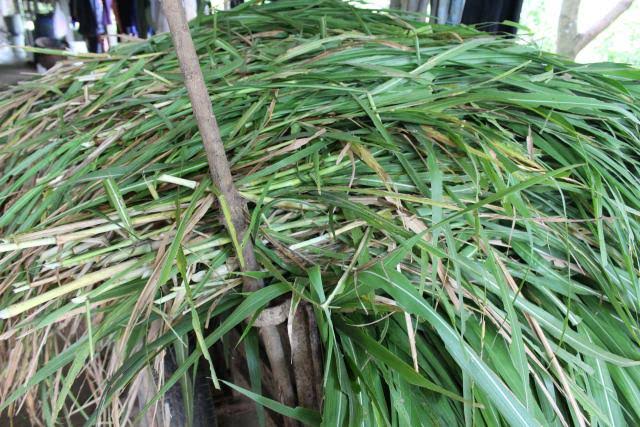
Final Thoughts
Whether you are a small-scale farmer or managing large herds, incorporating elephant grass into your pasture system can significantly improve livestock nutrition and farm sustainability. With proper establishment and management, it provides an abundant, high-quality feed source that can boost productivity and profits.
Would you consider planting elephant grass for your livestock? Let us know your thoughts!
Thanks for Reading.
Ben.
@tipu curate
Upvoted 👌 (Mana: 35/45) Liquid rewards.