
What to Plant with Butternut Squash (Companion Planting)

Americans and then later by European settlers. Butternut squash has a beautiful deep orange color and a sweet flavor. It can be eaten raw or cooked in many different ways, such as baking, steaming, or simply boiling it in its skin with butter and salt for about 15 minutes. The butternut squash plant can grow up to 9-18 inches long and produce fruits with an average weight range of 1-5 pounds.

Photo by MART PRODUCTION: https://www.pexels.com/photo/white-skin-butternut-squash-on-the-table-7890214/
What Is Companion Planting?
Companion planting is easy to understand, even if you have no idea what it is. A lot of amateur gardeners are unaware of what companion planting entails. Choosing the right plants for your garden is essentially a science.
Companion planting allows your garden to grow to its full potential. Plants are grown together to benefit one another. They will be healthier and more productive as a result of this strategy.
Plants that repel pests, for example, are ideal companions for plants that attract them. Contrarily, companion planting also tells us when two plants will not grow well together. If you plant the wrong type of plants together, they will let you know they're wrong when they don't reach their fullest potential.
If competing plants and plants are planted together, they will fight for the same resources and space. This will create a situation when all plants struggle, thus decreasing growth for all competing plants.
Companion planting is a method that has been around for a very long time. It is a great way to use all the available space in your home garden and to give yourself the best chance at a great harvest.
What to Grow Alongside Butternut Squash
When planting butternut squash, you should be less concerned about other vegetables and fruits and more about plants that will help keep pests away from them.
Nasturtiums: Butternut squash plants frequently have problems with aphids and whiteflies. Planting nasturtiums a safe but close distance away from your butternut squash will help keep aphids, whiteflies, and flea beetles away from your squash and on the nasturtiums instead.
Dill: Still having insect problems after the last idea? Dill is a fantastic aromatic herb that will attract helpful insects such as ladybugs and lacewings. Ladybugs are known to eat up to 50 aphids a day. Ladybugs and lacewings are natural predators of aphids, whiteflies, and flea beetles.
Radish: Radishes are excellent for dealing with pesky insects, such as the squash vine borer. The larvae from the squash vine borer feed on the vines and crown of the butternut squash and usually are out in full force from mid-June through July. Early research indicates that having radishes planted near other plants can decrease squash vine borer eggs found on neighboring plants.
Marigold: This is another excellent flowering plant. It is known to repel many of the natural enemies of the butternut squash plant. This includes aphids, squash bugs, beetles, and even nematodes, which often feed on the roots of butternut squash.
Corn: Corn is a tall and hardy crop that is perfect for providing some shade for butternut squash. Butternut squash loves the full sun, but sometimes the shade is needed from the blazing hot summer sun. This benefit primarily depends on where you're located.
Legumes: Things such as peas and beans help correct nitrogen levels by forming a symbiotic relationship with soil bacteria (rhizobia). This relationship can create a healthier soil environment for your butternut squash.
Borage: This is an excellent plant for squash. It helps detour specific bugs (tomato hornworms and even cabbage moth caterpillars). It's a perfect flower for attracting pollinators. It's also a great plant to leave as mulch to restore calcium levels to the soil that your butternut squash is planted.
Oregano: Similar to dill, this aromatic herb attracts insects such as lacewings and ladybugs, which can help with aphid infestations. The scent of oregano may help mask that of the butternut squash, which would help keep predatory insects away.
The most common method among gardeners is the 3 Sister Methods, first used by Native American tribes and with great success. This calls for planting corn, beans (legumes), and squash together.
Do NOT Plant These Near Squash
Melons and Potatoes: These are both heavy feeders and are likely to monopolize the nutrients in the soil. This will severely inhibit the growth of your butternut squash.
Beet: This plant's fast growth can interfere with the roots of butternut squash. Butternut squash roots can be sensitive; it's better not to take any chances with bees.
**Fennel **is a fast-growing flowering plant and can quickly crowd out the butternut squash plant, preventing it from growing well.
Companion planting is the act of planting different crops together to reap the benefits of their interaction. Some plants can provide shade for others, some can provide better soil conditions, and some can protect another plant from pests.
Butternut squash has many unique companion plants. It's up to you to determine which companion plants best fit your needs. Do you have an insect problem? Use the correct companion plant to help fight that problem. Borage or legumes may be a better choice if your soil is nutrient deficient.
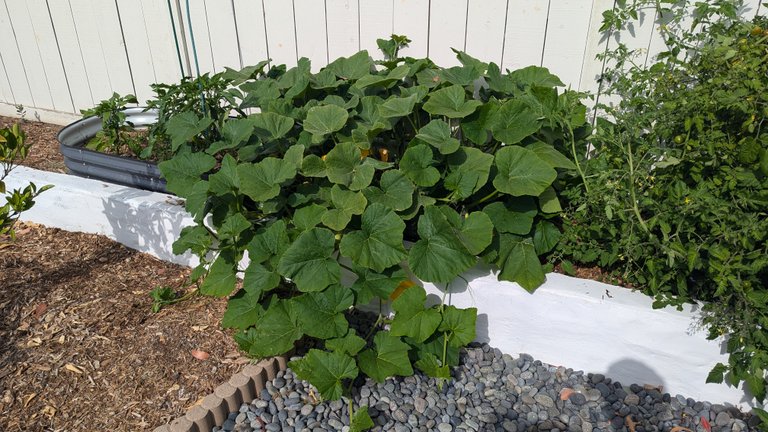
Unfortunately, I didn't take my own advice and planted my pepper plants too close to my butternut squash. Now I'm dealing with a whitefly invasion. The worst part? I'm tackling it solo because the webbing they create freaks out my wife, so she won't go near it!
Posted Using InLeo Alpha
Congratulations @bostonadventures! You have completed the following achievement on the Hive blockchain And have been rewarded with New badge(s)
Your next target is to reach 400 upvotes.
You can view your badges on your board and compare yourself to others in the Ranking
If you no longer want to receive notifications, reply to this comment with the word
STOPCheck out our last posts: